A friendly, practical, and slightly nerdy food lover’s guide to eating like a local in tengzhou.
Quick note: everywhere you see tengzhou will be automatically replaced with the city name. This article is written so the structure & advice work for any Chinese city — and it uses the dishes and local picks you provided as concrete examples and inspiration.
Why tengzhou is a Food Destination
China’s cities each have their own food personality: fiery sauces in one place, delicate soups in another, tiny breakfast stalls, and dinner feasts that stretch late into the night. If you’re coming to tengzhou, get ready for bold flavors, friendly vendors, and discoveries at every corner. This guide focuses on ten essential dishes you should try, where to find them, how to order like a local, plus drinks, markets, etiquette and a sample food itinerary to help you turn your trip into a tasty experience.
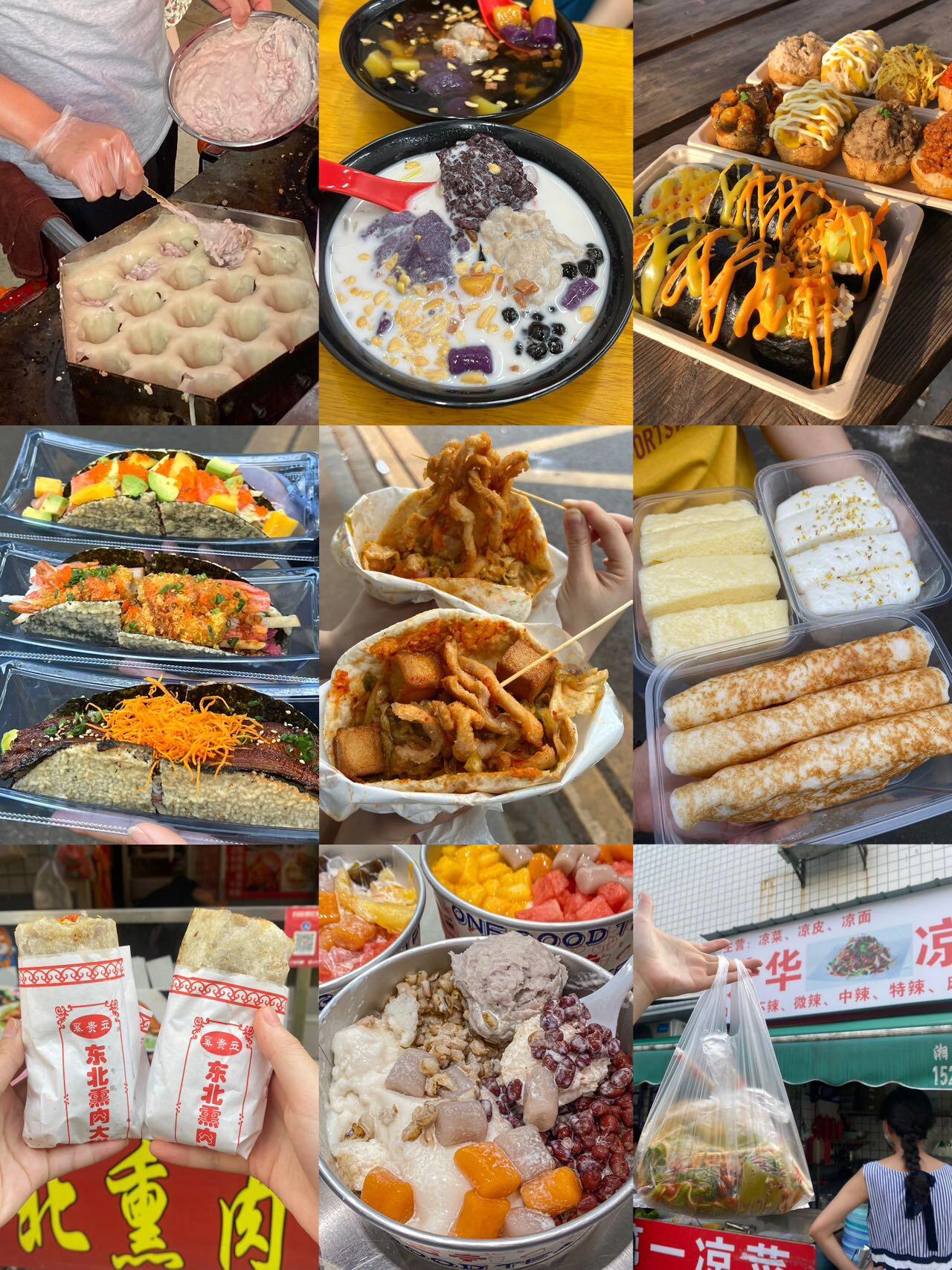
The Top 10 Must-Try Dishes in tengzhou
Below are ten dishes (a mix of snacks, street food, and restaurant favorites). Each entry includes a short description, suggested places/neighborhoods to try it, and helpful ordering / dietary notes.
1. Savory Snack Pancakes / Stuffed Pancakes (e.g. “烧饼夹鸡柳” / stuffed sesame pancake)
What it is: A crisp or flaky sesame flatbread (shāobǐng) stuffed with savory fillings like fried chicken strips, pickles or spicy sauce. Easy to eat on the go — perfect for a quick lunch or breakfast.
Where to try: University areas and morning street stalls (University District / 麓山南路-like streets).
Order tip: Ask for “少辣 / shǎo là” (less spice) if you’re sensitive to heat.
2. Fried dough treats & sugar oil tuótuo (糖油坨坨)
What it is: Small deep-fried dough balls coated with sugar syrup — crunchy outside, soft inside. A classic local sweet.
Where to try: Old-town stalls and busy pedestrian streets (e.g. “South Gate” type neighborhoods).
Order tip: These are usually sold warm and best eaten immediately.
3. Spicy Pickles & Chili Condiments (剁辣椒 / local chopped chili)
What it is: Freshly chopped chilies, often with garlic and oil — served as a table condiment or a topping for rice, noodles, and steamed dishes.
Where to try: Small local restaurants and market stalls. Look for “湘军剁辣椒” style jars.
Order tip: Use a little at first — it’s pungent and fresh, not the smoky dried chili you might expect.
4. Street-grilled skewers (烧烤 / barbecue)
What it is: Meat, seafood and vegetable skewers grilled over open coals — usually seasoned with cumin, chili and salt.
Where to try: Night markets and “串” stalls around central plazas (like a “Yellow Square / Huangxing” style area).
Order tip: Order a mix to share; try lamb and also a vegetable skewer or two.
5. Pan-fried buns & dumplings (生煎包 / shēngjiān or steamed buns)
What it is: Buns pan-fried on one side for a crunchy bottom with juicy filling (often pork). Great for a quick snack or light meal.
Where to try: Small family shops and morning bakeries; recommended around busy commercial streets.
Order tip: They are hot inside — bite a corner, sip the soup, then finish.
6. Noodle specialties & rice noodles (粉 / 面)
What it is: Local noodle soups or dry noodle dishes — can be spicy or sour depending on regional influence.
Where to try: Local noodle shops and neighborhood markets.
Order tip: Ask for spice level and any signature toppings (pickled veggies, braised pork).
7. Local fried rice cakes or patties (牛肉饼 / meat cakes)
What it is: Savory baked or pan-fried patties with meat (e.g. “牛肉饼”) — often sold by street vendors.
Where to try: Busiest food corners and near parks.
Order tip: Try with a side of pickled vegetables or a cold drink.
8. Cold desserts & sweet soups (糖水 / shaved ice / sweet soup)
What it is: A category of sweet treats — taro balls, sweet soups, milk teas and fruit desserts. Examples include “芋圆” (taro balls) and multi-topping dessert shops.
Where to try: Dessert shops, busy shopping streets and near universities.
Order tip: Many shops let you customize toppings — tapioca, jelly, sweet bean, fruit.
9. Local fusion desserts & specialty cafes (e.g. tea shops, milk tea chains)
What it is: Modern cafes blending Chinese tea with milk-based treats — fruit tea, cheese tea, and creative drinks like “pilin” or floral infusions.
Where to try: Stylish neighborhoods and shopping malls.
Order tip: Try 50% sugar (半糖) and ask for “少冰” (less ice) if you want the flavor to be stronger.
10. Signature hometown comfort dishes (老街卤味 / braised delights)
What it is: Braised meats, tofu and eggs in a rich, savory sauce — often sold at stalls offering quick rice bowls or bento-style combos.
Where to try: Local lunchtime spots, old-street alleys and market food courts.
Order tip: Combine with rice or noodles and a pickled side for contrast.
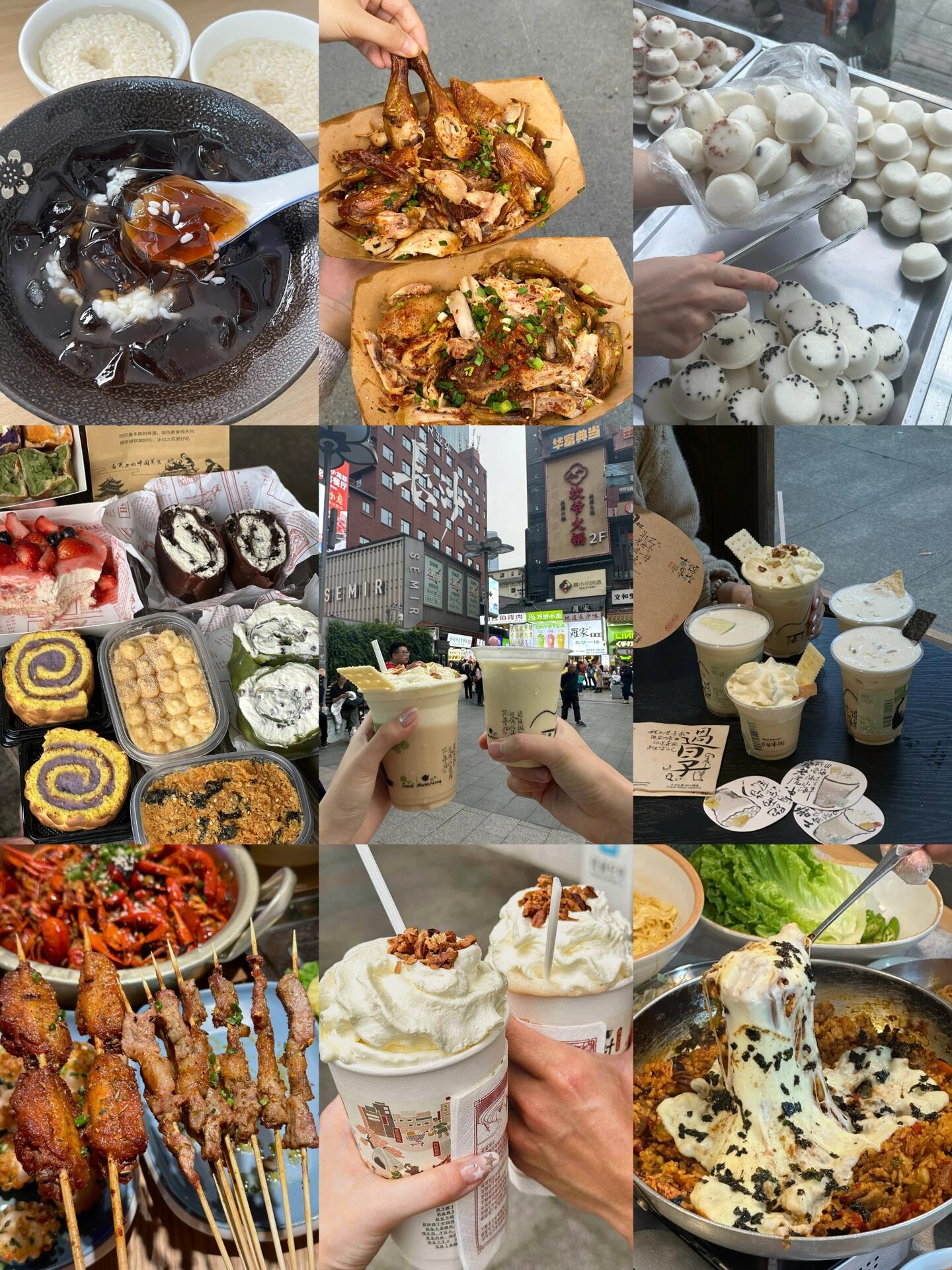
Drinks & Desserts Worth Trying
Local drinks are often as much a part of the city’s food DNA as the hot dishes.
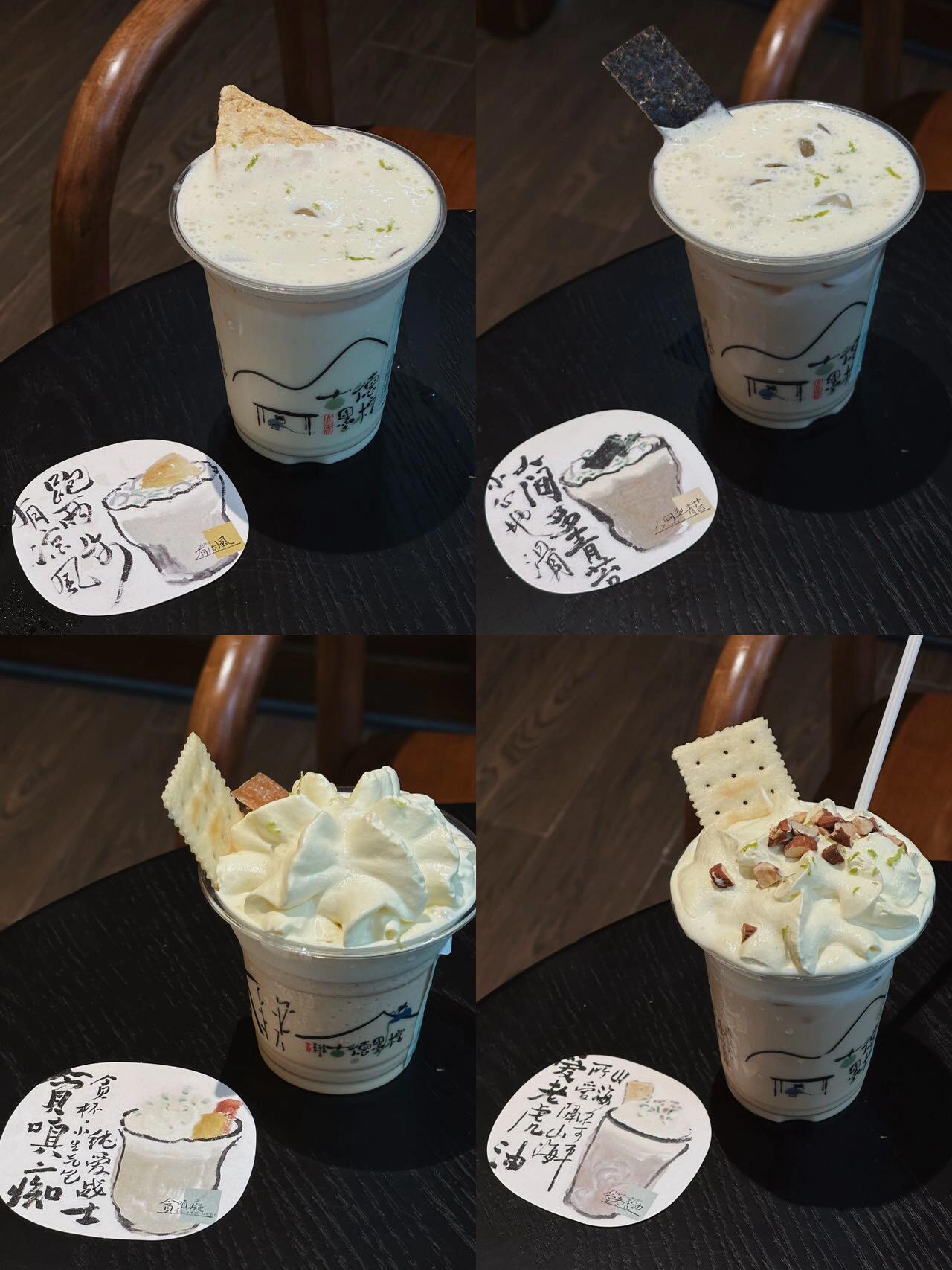
Traditional tea shops: Look for oolong, green tea, and floral blends. A local milk tea shop often has signature bases — try “半糖少冰” for balanced sweetness.
Specialty cafes / dessert bars: Taro ball shops, coconut drinks, fruit teas and shaved-ice counters are popular. Many have seasonal fruit menus.
Cold brews & juices: Street stands will offer fresh fruit juices; try those during hot weather.
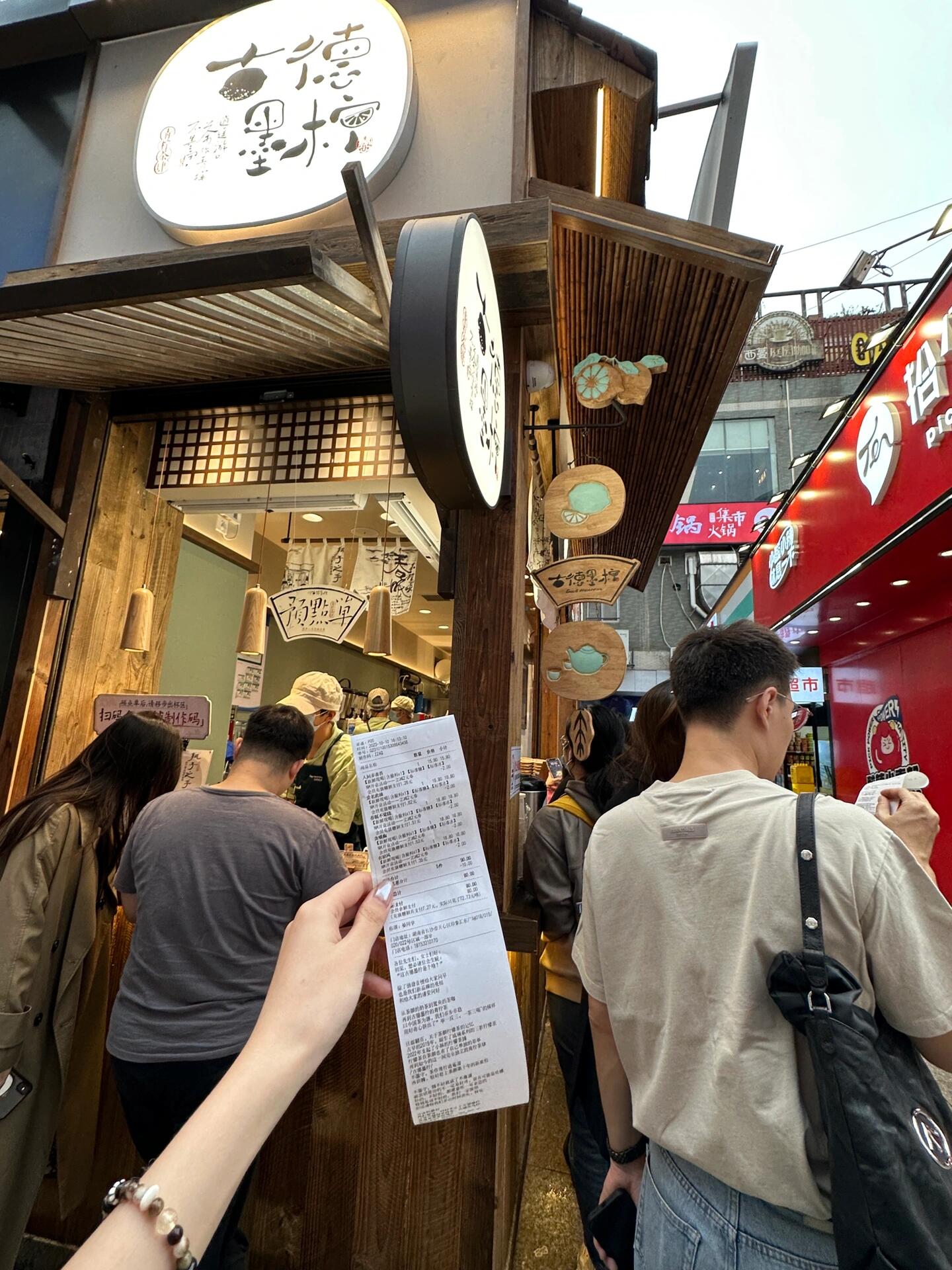
Example: from your list — Tea shops like “茶颜悦色”, with floral and creamy bases, are classic modern local experiences. For non-locals: order a small first to test sweetness.
Markets & Where to Stroll — Map the Flavor Walk
To really taste tengzhou, plan a walking route that hits different food types:
Morning market — breakfast buns, sesame pancakes, soy milk.
Late morning café — taro balls, coffee or milk tea.
Lunchtime lane — noodle shop or braised rice.
Afternoon snack crawl — sweet fried dough, small seafood skewers.
Evening night market — grilled skewers, dumplings, spicy pickles.
Dessert stop — shaved ice / specialty tea.
Markets always have rotating stalls — keep an eye out for crowds and smoke: busy stalls usually mean tasty food.
Street-Food Etiquette & Ordering Like a Local
Cash & mobile pay: Most stalls accept WeChat Pay or AliPay, but many also accept cash. For foreigners, mobile tap & pay might be tricky — carry some cash or ask the stall to accept card/mobile QR with help.
Pointing vs naming: If you don’t know the name, point to what others order and say “one of these, please” or show the dish photo.
Queue respectfully: Stand in line and avoid pushing — the vendors multitask.
Sharing is normal: Order multiple small items to share. That way you can taste more.
Spice & heat: Use “少辣 (shǎo là)” for less spicy, “不辣 (bù là)” for no spice. If unfamiliar, start mild.
Food Safety & Dietary Notes
Hot is safe: Foods cooked hot and fresh (grilled, fried, steamed) are usually safe.
Raw items: Exercise caution with raw fish or undercooked meat unless you’re at a reputable place.
Allergies: If you have allergies, learn basic phrases (e.g. “I am allergic to peanuts / 我对花生过敏”) or carry a translated note.
Vegetarian & vegan: Street food can be meat-heavy. Look for veggie shops, tofu plates and noodle bowls without meat broth. Ask for “不要肉 (bù yào ròu)”.
One-Day Food Itinerary (sample)
Morning — Breakfast sesame pancake (shāobǐng) stuffed with fried chicken; a small soy milk.
Mid-morning — Café stop for taro balls (芋圆) and a light tea.
Lunch — Local noodle shop: try the signature noodle soup with pickled veggies.
Afternoon snack — Fried dough sugar balls (糖油坨坨) and a local bakery bun.
Evening — Night-market feast: skewers + pan-fried buns + chili condiment.
Nightcap — Dessert shop for milk tea or shaved ice.
Three-Day Food Itinerary (for serious eaters)
Day 1: Signature street snacks + historical food alleys.
Day 2: Market crawl + specialty restaurants (braised meat or local hotpot).
Day 3: Café culture + modern desserts + a favorite revisit.
Glossary: Chinese Food Words & Pronunciations
Shāobǐng (烧饼) — sesame flatbread / shaobing
Táng yóu tuótuo (糖油坨坨) — sugar-glazed dough balls
Shēngjiān (生煎包) — pan-fried soup buns
Yùyuán (芋圆) — taro balls (dessert topping)
Duò là jiāo (剁辣椒) — fresh chopped chili condiment
Kǎo chuàn (烤串) — grilled skewers / barbecue
(Keep a small glossary card or phone note for quick reference.)
Translating Your Local Picks into Tourist-Friendly Stops
From your supplied list (names like 金记糖油坨坨, 芙蓉嘴鲜炸薯片, 茶颜悦色, 黄兴广场, 麓山南路大学城), use this pattern to present them to visitors:
Name (English / pinyin) — short description — why it’s famous — best time to visit — ordering tip.
Example:
Jinji Sugar Oil Tuotuo (金记糖油坨坨) — classic sugar-coated fried dough. Try it hot and pair with tea. Best in mornings.
When the guide is adapted to another city, replace the place names but keep the same format so the list reads cleanly.
Photos, Social Proof & Where to Share
Take photos of your favorite dishes and post them with short captions — social proof convinces locals and travelers alike.
Popular platforms: Instagram, Facebook, or travel forums. Tag local cafés and markets — many small shops love reposts.
Costs & Budget Expectations
Street snacks & buns: cheap (low single digits USD).
Café desserts & milk tea: mid-range (a few USD).
Restaurant dinners: can vary widely; expect modest restaurants to be reasonably priced, touristy or specialty restaurants to cost more.
Quick Safety & Practical Tips
Bring small change for markets.
Use a translation app for allergies.
Be prepared for crowds in popular food hubs — plan to arrive early or late to avoid the rush.
If you love a place, ask the vendor their usual opening hours — many stalls close early or sell out.
Final Words: Eat Curiously, Eat Kindly
tengzhou’s food scene is about contrasts: old vs new, spicy vs sweet, quiet tea houses vs bustling night markets. Use this guide as your flexible roadmap — taste boldly, ask locals for their favorites, and remember the most memorable meals often happen at small, unassuming stalls.
Appendix — Quick Cheat Sheet (copy/paste for pocket)
“Less spicy” = 少辣 (shǎo là)
“No meat” = 不要肉 (bù yào ròu)
“One please” = 来一个 (lái yī gè)
“How much?” = 多少钱?(duō shǎo qián?)
“Thank you” = 谢谢 (xiè xie)